


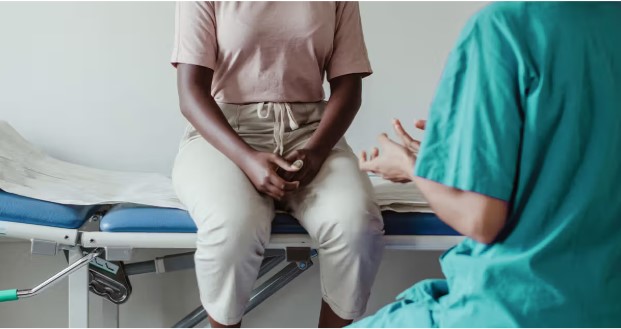
Hemorrhoidectomy is a surgical treatment used to remove severe or painful hemorrhoids. Doctors usually suggest this procedure when other treatments do not work. While surgery can bring long-term relief, the recovery period can feel challenging for many people. Proper care after surgery plays a major role in healing faster and avoiding problems.
By following the right tips and understanding what the body needs during recovery, patients can manage discomfort, reduce stress, and return to daily life more comfortably. This article shares five primary tips that help people deal with hemorrhoidectomy recovery in a safe and effective way.
Understanding the Hemorrhoidectomy Procedure
The hemorrhoidectomy procedure involves the surgical removal of swollen or infected hemorrhoidal tissue. Surgeons perform this procedure under anesthesia to prevent pain during the operation. After surgery, the body needs time to heal the treated area, which may feel sore or swollen for a few weeks.
Understanding the hemorrhoidectomy procedure helps patients know what to expect and reduces fear during recovery. When patients understand how the surgery works, they feel more prepared to follow medical advice and support proper healing.
Effective Pain Management After Surgery
Proper pain management plays an important role in recovery after hemorrhoidectomy. Doctors often prescribe medications to control pain and reduce inflammation during the healing period. Patients should take medicine exactly as advised to avoid unnecessary discomfort.
Pain management also includes using warm sitz baths, which help relax the muscles and improve blood flow to the area. When patients manage pain well, they move more easily, rest better, and heal faster without added stress on the body.
Maintaining Proper Bowel Habits
Healthy bowel habits help protect the surgical area and prevent complications. After surgery, straining during bowel movements can cause pain and slow healing. Doctors usually recommend eating fiber-rich foods like fruits, vegetables, and whole grains to soften stools.
Drinking enough water also supports smooth digestion and reduces pressure on the rectal area. When patients maintain proper bowel habits, they lower the risk of irritation and support a more comfortable recovery process.
Following Proper Wound Care and Hygiene
Cleanliness and wound care support faster healing after hemorrhoidectomy surgery. Patients should gently clean the area with warm water and mild soap to prevent infection. Keeping the area dry and clean reduces swelling and irritation.
Doctors often provide specific instructions for dressing changes or topical treatments. When patients follow proper wound care steps, they protect the surgical site and help the body heal naturally without complications.
Allowing Body Time to Rest and Heal
Rest plays a vital role in recovery after hemorrhoidectomy surgery. The body needs time to repair tissues and reduce swelling. Patients should avoid heavy lifting, long sitting periods, or intense physical activity during early recovery.
Light movement, such as short walks, improves circulation and prevents stiffness. By allowing enough rest and following activity limits, patients support the healing process and reduce the risk of reopening the wound.
Conclusion
Recovering from a hemorrhoidectomy requires patience, care, and attention to the body’s needs. Understanding the hemorrhoidectomy procedure, practicing proper pain management, maintaining healthy bowel habits, following good hygiene, and allowing enough rest all contribute to a smoother recovery.
When patients follow medical advice and stay consistent with care routines, healing becomes more comfortable and effective. With the right approach, people can overcome recovery challenges and enjoy long-term relief from hemorrhoid problems.