


Maintaining a state of complete well-being is a proactive endeavor that requires attention to the physical, mental, and sensory aspects of health. It is not merely the absence of illness but the presence of vitality and a balanced lifestyle.
By integrating consistent habits into your daily routine, you can fortify your body against stress and enhance your overall quality of life. Here are six fundamental areas to consider for a more balanced and healthy journey through every stage of life.
Nourishing the Body Through Balanced Nutrition
The foundation of physical wellness begins with the fuel you provide your body. A diet rich in whole foods, such as vibrant vegetables, lean proteins, and healthy fats, provides the essential nutrients required for cellular repair and energy production.
Hydration is equally critical, as water supports metabolic functions and cognitive clarity. By minimizing the intake of highly processed foods and refined sugars, you can maintain steady energy levels and support your immune system’s ability to protect you from common ailments.
Strengthening Resilience Through Cancer Supported Treatments
A comprehensive wellness plan also involves understanding how to navigate serious health challenges with grace and informed care.
For individuals undergoing medical journeys, integrating professional cancer supported treatments can provide a significant boost to both physical comfort and emotional strength.
These supplementary approaches often include nutritional counseling, stress-reduction techniques, and specialized physical therapy.
Such integrated care ensures that the body is supported holistically, allowing patients to maintain a higher degree of wellness and resilience throughout their recovery process.
Prioritizing Mental Clarity and Stress Management
True health is impossible without a calm and focused mind. The modern world presents a constant stream of information and demands that can lead to chronic stress if left unmanaged.
Dedicating time to mindfulness, deep breathing exercises, or outdoor walks can significantly lower cortisol levels.
Additionally, ensuring a consistent sleep schedule of seven to nine hours per night allows the brain to process emotions and consolidate memories, which is vital for long-term psychological health and cognitive sharpness.
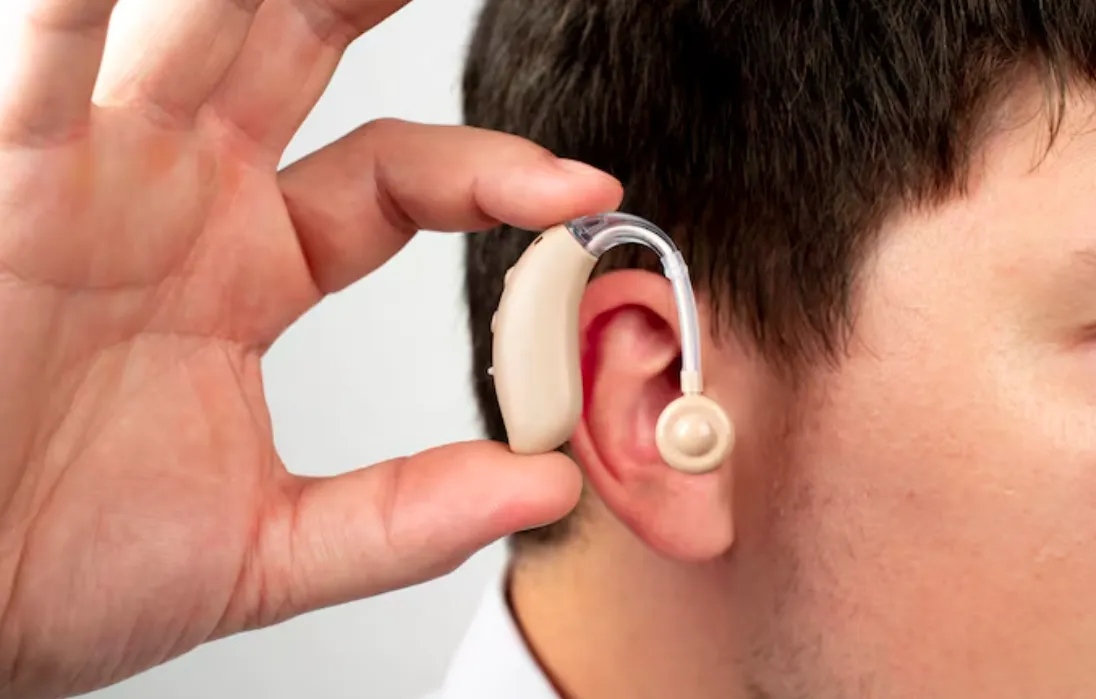
Enhancing Sensory Connections with Modern Hearing Aids
Our ability to interact with our surroundings is heavily dependent on our senses, yet auditory health is frequently overlooked in general wellness discussions. Maintaining clear communication is essential for preventing social isolation and cognitive decline as we age.
For those experiencing changes in their auditory range, utilizing advanced hearing aids can restore the joy of conversation and environmental awareness.
Modern technology ensures these devices are discreet and effective, allowing you to stay fully engaged with the people and sounds that bring meaning to your life.
The Vital Role of Consistent Physical Activity
Regular movement is a cornerstone of cardiovascular health and musculoskeletal strength. You do not need an intense athletic regimen to see benefits; even thirty minutes of brisk walking or swimming daily can improve circulation and bone density.
Exercise also releases endorphins, which are natural mood elevators that help combat anxiety and depression. Finding an activity that you genuinely enjoy ensures that physical fitness remains a sustainable and pleasurable part of your long-term wellness strategy.
Fostering Community and Emotional Support Systems
Humans thrive in environments where they feel seen, heard, and valued. Strong social connections are linked to lower rates of heart disease and increased longevity. Make a conscious effort to nurture your relationships with friends, family, and colleagues through regular interaction and shared experiences.
Being part of a supportive community provides a safety net during difficult times and multiplies the joy during successful moments, creating an emotional foundation that supports every other aspect of your well-being.