


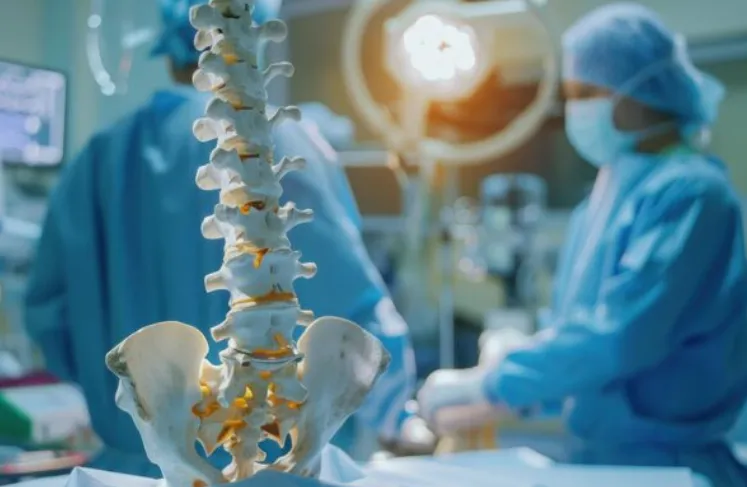
Spinal issues can significantly impact a person’s quality of life, causing pain, discomfort, and limited mobility. Traditional spinal surgeries often involve large incisions, lengthy recovery times, and potential complications. However, advances in medical technology have led to the development of minimally invasive spine deformity surgery, offering a safer and more efficient solution for patients. This article explores how this innovative approach provides a better alternative for addressing spinal deformities.
Understanding Spinal Deformities
Spinal deformities refer to abnormal curvatures or misalignments of the spine, such as scoliosis, kyphosis, and lordosis. These conditions can arise from congenital factors, degenerative diseases, or trauma. They often lead to chronic pain, reduced mobility, and other health issues. Traditionally, correcting these deformities required open surgery, which involved significant risks and extended recovery periods. Minimally invasive spine deformity surgery now offers a more promising option for patients.
What is Minimally Invasive Spine Deformity Surgery?
Minimally invasive spine deformity surgery involves performing spinal corrections through smaller incisions, reducing the impact on surrounding tissues and minimizing blood loss. Surgeons utilize advanced imaging technology and specialized instruments to access and correct the spine with precision. This approach offers several benefits over traditional open surgery, making it an attractive choice for both patients and healthcare providers.
Benefits of Minimally Invasive Spine Deformity Surgery
One of the most significant advantages of minimally invasive spine deformity surgery is the reduced risk of complications. Smaller incisions mean less tissue damage, which decreases the likelihood of infection and promotes faster healing. Patients experience less postoperative pain and require fewer pain medications, allowing for a smoother recovery process. Additionally, hospital stays are typically shorter, enabling patients to return to their daily activities sooner.
Another benefit is the preservation of healthy tissues. Traditional surgeries often involve cutting through muscles and other structures, leading to longer recovery times and potential loss of function. Minimally invasive techniques, on the other hand, avoid unnecessary damage to these tissues, maintaining their integrity and functionality.
The Role of Advanced Technology
The success of minimally invasive spine deformity surgery heavily relies on advanced technology. Surgeons use state-of-the-art imaging systems, such as fluoroscopy and intraoperative CT scans, to visualize the spine in real-time. These tools allow for precise navigation and accurate placement of surgical instruments, ensuring optimal outcomes. Robotics and computer-assisted systems further enhance the surgeon’s ability to perform delicate maneuvers with greater accuracy and control.
Preparing for Surgery
Before undergoing minimally invasive spine deformity surgery, patients undergo thorough evaluations to determine the most appropriate treatment plan. This includes imaging tests, physical examinations, and discussions with the surgical team. Patients are educated about the procedure, potential risks, and expected outcomes, allowing them to make informed decisions about their healthcare.
The Surgical Procedure
During minimally invasive spine deformity surgery, patients are placed under general anesthesia. The surgeon makes small incisions near the affected area and inserts specialized instruments to access the spine. Using advanced imaging technology, the surgeon can see the surgical site in detail and perform the necessary corrections. Once the procedure is complete, the incisions are closed with sutures or staples, and the patient is moved to a recovery area.
Recovery and Rehabilitation
Recovery from minimally invasive spine deformity surgery is generally quicker and less painful compared to traditional surgery. Patients may experience some discomfort, but this is typically manageable with medication. Physical therapy plays a crucial role in the rehabilitation process, helping patients regain strength, flexibility, and function. Most individuals can resume light activities within a few weeks and return to normal activities within a few months, depending on the complexity of the surgery.
Conclusion
Minimally invasive spine deformity surgery represents a significant advancement in the treatment of spinal issues. By offering a safer alternative to traditional open surgery, it provides patients with the opportunity to correct spinal deformities with fewer risks and a faster recovery. The use of advanced technology and specialized techniques ensures precise and effective outcomes, allowing individuals to regain their quality of life. As medical technology continues to evolve, minimally invasive procedures are likely to become the standard of care for treating spinal deformities, benefiting countless patients worldwide.